Most food photography shows what a dish looks like. The best food photography makes someone hungry before they finish the sentence. That’s the gap — and that’s what we close.

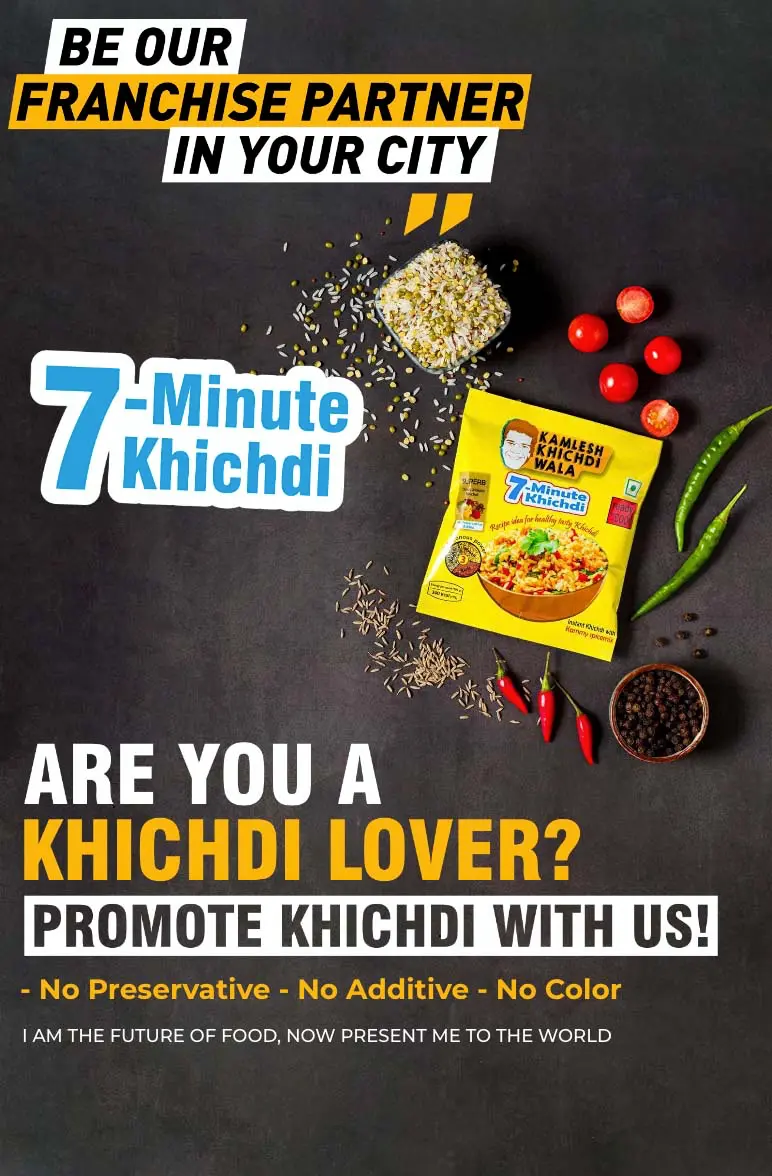
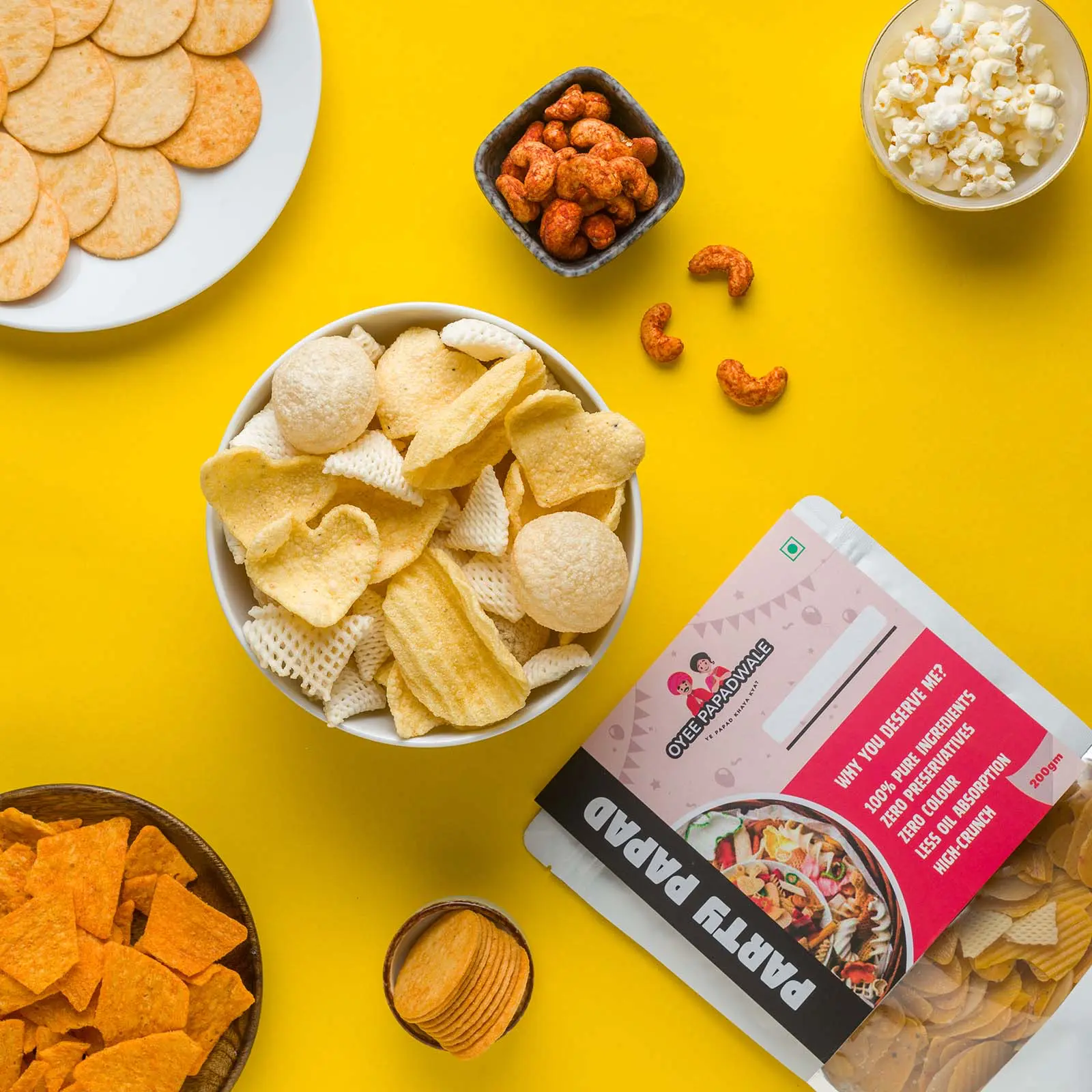
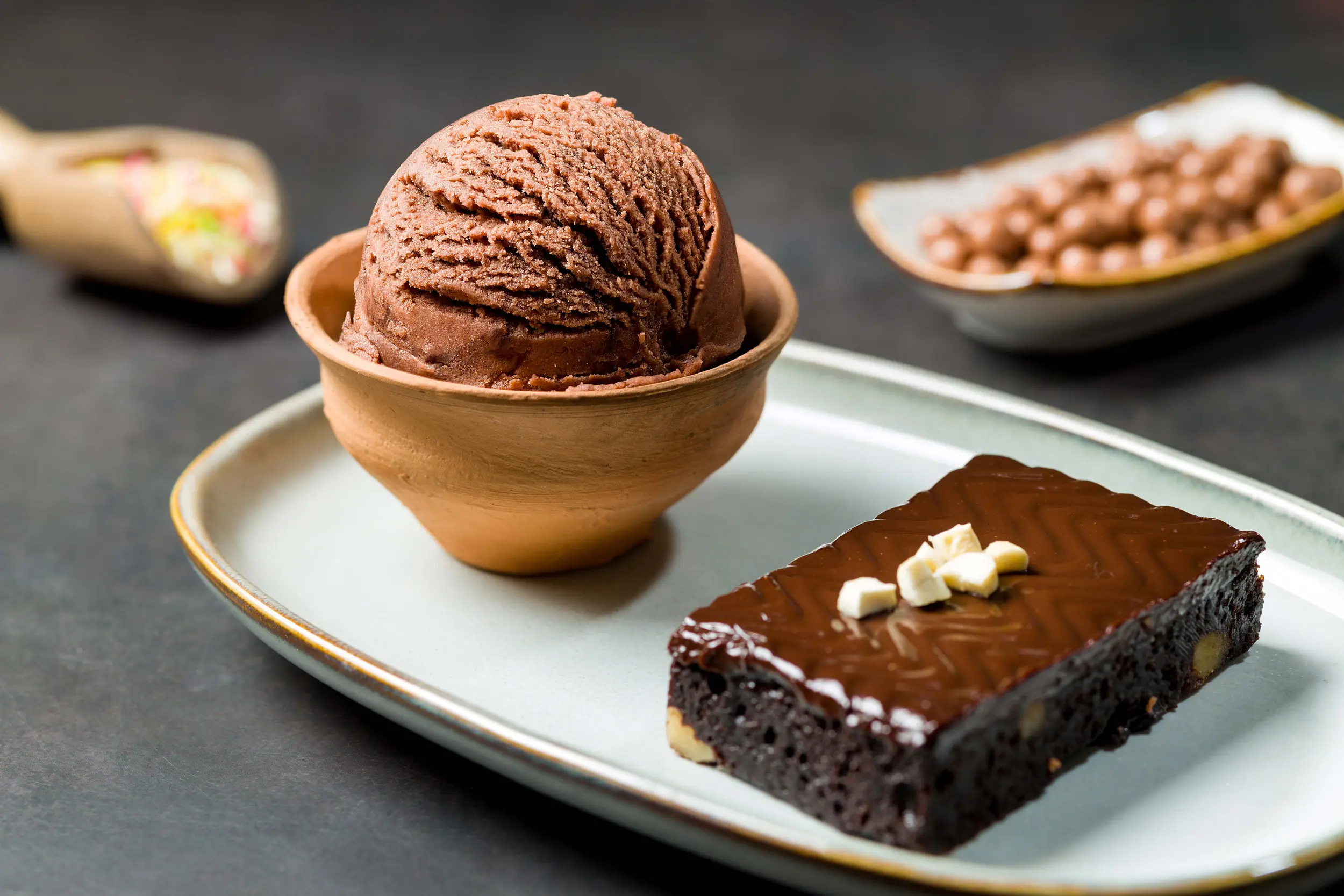


“We hired a photographer. The images were okay. But people still aren’t ordering. Something about the photos just doesn’t make them hungry.”
On Zomato and Swiggy, the thumbnail is the menu. If the image doesn’t stop the scroll, the dish doesn’t get ordered — regardless of how good it tastes.
What feeling should someone have the moment they see this dish? Comfort, indulgence, freshness, heat? That emotion shapes every decision that follows — surface, light, angle, colour.
Surface texture chosen for contrast with the dish. Props selected to tell a story without stealing focus. Sauce, garnish, and steam timed to the exact moment the shutter fires.
Backlight for steam and translucency. Side-light for texture and crust. Diffused fill for sauces. Every source placed to make the food the most appetising thing in the frame.
Edited, colour-graded, and exported for Zomato, Swiggy, Instagram, and print. Slo-mo clips cut for reels and stories. File hierarchy and specs delivered with every shoot.
Three reasons your current images aren’t driving orders.
Flat, overhead light removes the three-dimensionality that makes food look edible. A biryani with no shadows looks like a photograph of a biryani — not a biryani. Light from the side and back restores the depth that makes it look real.
Fix: directional lighting per dishA wooden board, a white plate, a marble surface — these are not choices. They are defaults. When the surface has no relationship to the dish or the brand, the image looks like it could be from any restaurant on any platform.
Fix: surface brief before shoot daySteam dissipates in 4 seconds. A sauce pour lasts 2. A melting scoop has one perfect frame. Most shoots aren’t set up to catch these moments — so they shoot the dish after it’s settled, which is never when it looks best.
Fix: timing direction on setOutput built for the places your customers are actually looking.
Let’s talk about the dish before we talk about the shoot.