E-CommerceMay 30, 2026 · Updated May 31, 20266 min read
Why E-Commerce Photography Is Important for Online Sales
E-commerce photography is the reason a customer stops scrolling — or doesn’t. In Mumbai’s D2C market and across every major Indian marketplace, the product image is the product. Customers cannot touch, examine, or ask questions before buying. The photograph carries that entire weight.
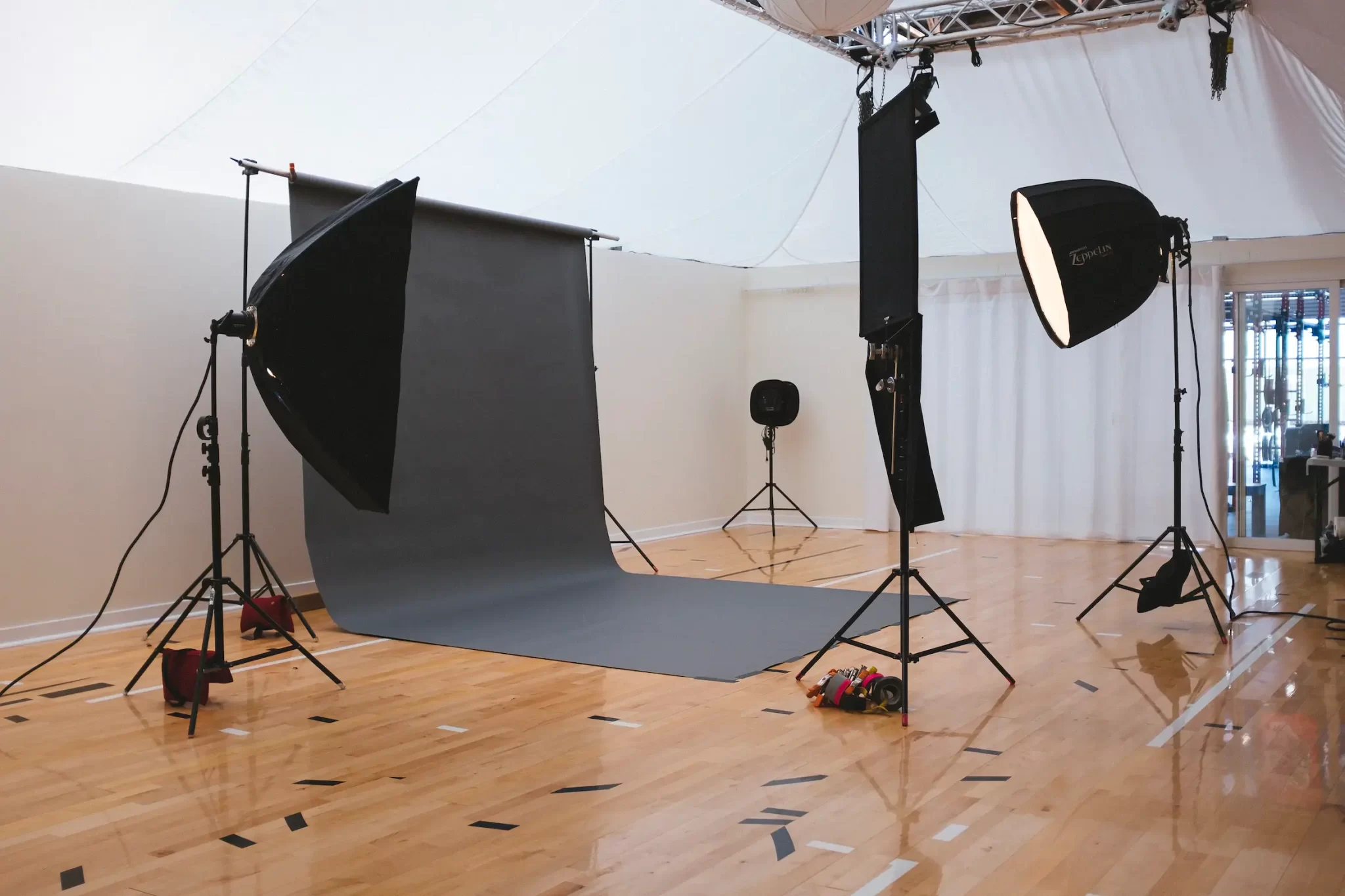
E-commerce photography by Advait Sontakke Visual Solutions, Mumbai — individual shots, group shots, detail shots, and catalogue photography for D2C brands and online sellers.
The product image is the product
In a physical store, the product sells itself. A customer picks it up, reads the label, checks the finish. The decision is tactile and immediate. Online, none of that exists. E-commerce photography has to carry everything the product would naturally communicate in person — material, scale, quality, and trust — in a single frame.
This is why e-commerce photography is not a production checkbox. It is the most direct sales tool a brand has. The ad brings the customer to the listing. The product image closes the sale — or loses it.
75%Of shoppers say product images are the most influential purchase factor
22%Fewer returns when product photos accurately represent the item
3sTime a visitor gives a product page before deciding to stay or leave
A well-lit, sharp photograph of a mid-range product consistently outperforms a poorly lit image of a premium one. Perception drives purchase. E-commerce photography controls perception. At Advait Sontakke Visual Solutions, this is the foundation of every product shoot we produce in our Mumbai studio.
“Customers don’t buy products. They buy the confidence your image gives them that the product is exactly what they think it is.”
What types of e-commerce product photos do online sellers actually need?
Most brand owners think of e-commerce photography as “white background shots.” That is one layer. A complete image set covers five distinct shot types — each serving a different job in the customer’s buying decision.
Shot type 01
Individual shots
One product, one frame — the hero image every listing starts with. Amazon and Flipkart require this on a pure white background. It is non-negotiable, and everything else in the image set builds from it.
Shot type 02
Group shots
Multiple products together — a kit, a collection, or a range. Group shots communicate variety in a single frame and perform strongly in social advertising, where the goal is to show the full brand offering rather than a single SKU.
Shot type 03
Detail shots
Close-up images of specific product features — a clasp, a finish, a texture, an engraving. Critical for jewellery, leather goods, and skincare, where the quality of craft is the selling proposition. These shots answer the question no standard image can: “Is it actually as good as it looks?”
Shot type 04
Packaging shots
The unboxing experience is now part of the product review — especially for D2C brands. Packaging photography tells the customer what arrives at their door, sets expectations correctly before purchase, and consistently reduces returns for premium and gift-positioned products.
Shot type 05
Catalogue shots
For apparel and accessories, catalogue photography shows the product worn or used — answering the one question no flat-lay can: “How does this actually look on a person?” For D2C fashion brands, these images are not secondary. They are the primary purchase driver.
What separates e-commerce images that convert from images that get scrolled past
The difference between a listing that converts and one that gets passed over is almost never the product. It is the photograph. Across every e-commerce shoot Advait Sontakke Visual Solutions has produced in Mumbai, five factors consistently separate the images that work from the ones that don’t.
Five factors that determine whether product images convert — Advait Sontakke Visual Solutions
Background and isolation. Pure white (RGB 255,255,255) is the platform standard for Amazon, Flipkart, and Nykaa. It removes visual competition, directs attention entirely to the product, and meets listing requirements without edit cycles.
Lighting design. Flat, overexposed images communicate cheap. Controlled studio lighting with deliberate highlight and shadow placement communicates quality and material weight. The way light falls on a surface is what tells the viewer whether the price is justified.
Sharpness at zoom. A customer zooming into a product image is a customer close to buying. That zoom-in must reward them — label text legible, texture apparent, stitching or finish visible. Soft or compressed images at zoom end the session.
Catalogue consistency. A product range where each image has a different colour balance, crop distance, or white point reads as disorganised — even if each image is individually acceptable. Consistency across a catalogue is a trust signal. Inconsistency is a red flag.
Image count per listing. Listings with 7 to 9 images consistently outperform those with 1 to 3. Every additional image removes a doubt. The image that closes a sale is rarely the first one.
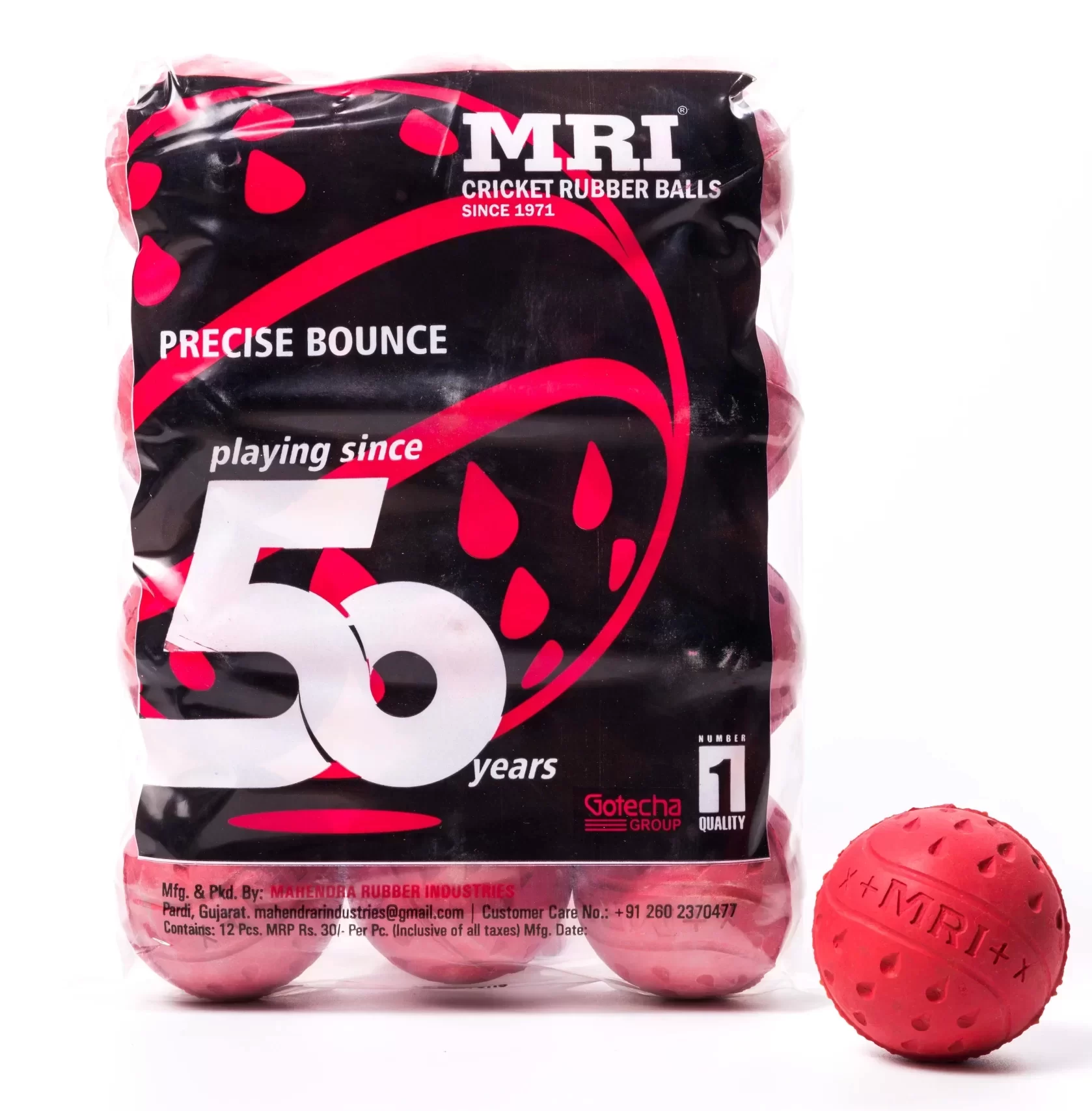
Seele skincare — e-commerce photography produced at Advait Sontakke Visual Solutions’ Mumbai studio. Controlled white-background lighting to communicate material quality and product weight.
How does product photography affect brand trust — before a customer has bought once?
Product images are the first place a new customer decides whether they trust a brand. Not the about page. Not the reviews. The image. A first-time visitor to a listing is asking one question in the first three seconds: “Does this seller take their product seriously?”
The answer comes entirely from the photograph. This is especially consequential for D2C brands, where there is no physical retail touchpoint to supplement the online experience. For these brands, e-commerce photography is not a support function — it is the primary brand-building tool.
“The brands that invest in photography the way they invest in their product are the ones whose customers come back. The images are the brand experience for everyone who hasn’t bought yet.”
This connection between product photography and trust is why the most consistent converters on Amazon and Flipkart are not always the cheapest options — they are the ones with the clearest, most professional visual presentation. When a customer cannot physically evaluate a product, the image quality becomes a proxy for product quality itself. See how this same principle applies across ad strategy and visual communication — the visual promise made in the ad must be matched by the product photography it leads to.
Five things to fix in your e-commerce photography right now
Audit your hero image first. This is the image driving click-through from search results and listing pages. If it is soft, flat, or inconsistent with the price you are charging, it is losing customers before they reach your product description.
Add a detail shot to every listing. A single close-up of the product’s most important material or finish increases buyer confidence and reduces returns — because expectations are set correctly before purchase.
Standardise image specifications across your catalogue. Same crop distance, same colour balance, same white point on every product. Consistency is a trust signal. Inconsistency reads as “this seller doesn’t have a real operation behind them.”
Photograph your packaging. Especially relevant for D2C brands. The packaging shot tells the customer what the unboxing experience will feel like — and it is one of the highest-trust images in a product set for premium and gift-positioned products.
Increase your image count per listing to at least 5. Every additional image removes a specific doubt. Doubt is the only reason a customer who wants a product doesn’t buy it.
Frequently Asked Questions
Why is e-commerce photography important for online sales?
In online retail, the product image is the product. Customers cannot touch or examine items before buying — so the photograph carries the full burden of trust, perceived quality, and purchase confidence. Poor e-commerce photography increases returns and reduces conversion rates. Strong images do the opposite.
What types of product photos do e-commerce sellers need?
Most online sellers need five core shot types: individual hero shots on a white background, group or collection shots, close-up detail shots, packaging shots, and catalogue shots for apparel and accessories. The right mix depends on the product category and the platform — Amazon, Flipkart, and Shopify each have different image requirements.
What background should e-commerce product photos use?
A pure white background (RGB 255,255,255) is the standard for most major platforms including Amazon and Flipkart. It removes visual competition, puts all attention on the product, and meets listing requirements. It also ensures consistent presentation across an entire product catalogue.
How does product photography affect e-commerce conversion rates?
Product photography directly controls conversion rate, return rate, and perceived brand trust. Research consistently shows product images are the single most influential factor in online purchase decisions — ahead of price, reviews, and descriptions. A customer who cannot clearly see what they are buying will not buy it.
How many product photos does an e-commerce listing need?
Most successful listings use 5 to 9 images per product: one clean hero shot, two to three alternate angles, one detail close-up, one group or scale reference, and one to two lifestyle shots where relevant. More images reduce purchase uncertainty — each one is another chance to answer a doubt the customer has.
A
Advait Sontakke
Advait Sontakke is a Mumbai-based commercial photographer and brand director. Advait Sontakke Visual Solutions produces e-commerce photography, product photography, and campaign content for D2C brands and online sellers across India. Meet Advait →
Ready to see what your products look like when photographed properly?
Studio e-commerce photography in Mumbai. White background, catalogue, detail, and packaging shots — fast turnaround for D2C brands and online sellers across India.