
What I Learned Working with Businesses
in My Early Days of Product Photography
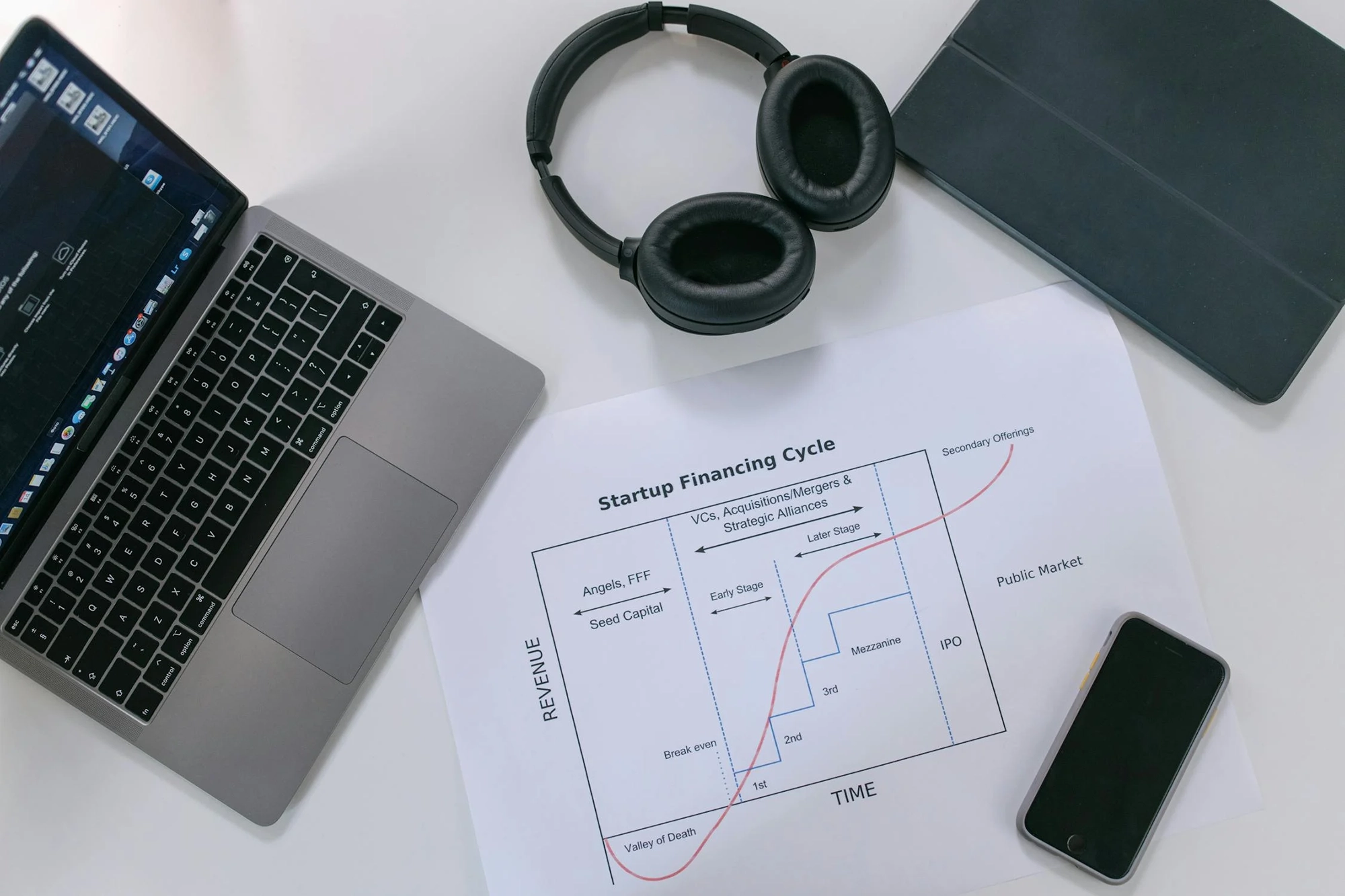
I thought the photograph was the answer
When I started shooting product photography for businesses in Mumbai, I had a very clean story in my head about how it worked. A founder came to me with a product. I photographed it well — good light, honest composition, images that showed the product as it deserved to be shown. They left with files that looked like nothing they had produced before. Sales would follow. The business would grow.
That is a photographer’s story about business. It is not a business story.
The real education of those early years had almost nothing to do with cameras. It had everything to do with watching what happened after the shoot — which products found their market, which founders kept going, and which ones quietly disappeared from my inbox. I started paying attention to the pattern. What I found was uncomfortable, and it changed how Advait Sontakke Visual Solutions works with clients to this day.
Who was actually walking through my door
In those early years in Mumbai, the founders who came for product photography were not who I had imagined. I had expected entrepreneurs — people with business plans and marketing budgets. What I got was something far more human than that.
Teachers who had spent twenty years in classrooms and decided, finally, to make the thing they had always made at home into something they could sell. Engineers who had worked for someone else’s dream for a decade and wanted, just once, to build their own. Homemakers who had turned a kitchen skill or a craft into a product line and were showing it to the world for the first time.
These were not casual experiments. They were courage, made physical. The product on the table in front of my camera represented someone’s savings, their family’s support, years of quiet preparation and very loud doubt. I felt the weight of that every single time.
One founder brought her skincare products to the studio in a cardboard box held together with tape. She had driven two hours from the outskirts of Mumbai. She apologised for the packaging before she had even opened it. I told her to stop apologising — the products were beautiful. We shot for five hours. She cried a little when she saw the first edit on the screen. Not from happiness, exactly. From relief that something she had made looked, finally, the way she had always imagined it. I think about her often. I hope the business found its footing.
What I kept seeing that broke my heart
Here is the thing nobody prepared me for: some of these businesses failed. Not all of them — many went on to find real traction, and a few became clients I work with to this day. But enough of them folded that I started asking a question I had not thought to ask before. What was actually going wrong?
It was not the product. In most cases, the product was genuinely good — better than comparable things already on the market. It was not passion or effort. These founders were working harder than anyone I knew. And it was not the photography. The images I delivered were doing their job.
What was missing — in case after case — was a single functioning system that connected the product to a customer. Not a complicated system. Just a working one.
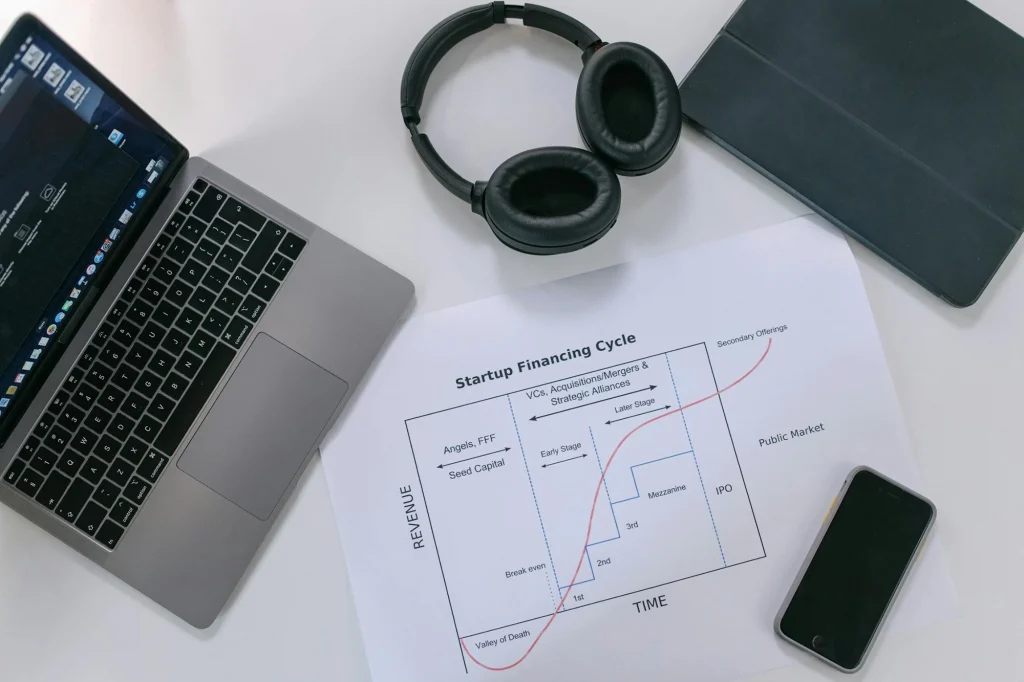
I watched a woman who made extraordinary handmade bags run out of money before she could afford a second round of stock. I watched a man who had spent three years perfecting a supplement formula discover, after the shoot, that the platform he had planned to sell on required certifications he did not yet have. I watched a couple who had built a genuinely innovative product get beaten to market by a larger competitor who had worse quality but better distribution. Every one of these was a different flat tyre. The cars never moved.
What I wish someone had told me — and them
I am a photographer, not a business consultant. That is a boundary I am careful about. But I have spent enough time in rooms with founders to know what the early stages actually feel like from the inside — and what the gaps tend to be.
The pressure to manage everything alone is the first and heaviest problem. In a large company, a different person handles procurement, compliance, production, distribution, marketing, and customer service. In an early-stage startup, all of that is one person, usually at the same time, usually without enough sleep. By the time a founder arrives at the photography stage, they have already been carrying everything else for months. The shoot is often the one thing that feels manageable — which is part of why they invest so much emotion in it.
The second problem is margin. In the rush to compete with established players on price, many founders kept their margins so thin that there was no room for any of the systems they needed. No margin for a proper digital presence. No margin for a marketing test. No margin for the returns that come with any early-stage e-commerce operation. The product could not generate enough to fix itself.
Why this changed how I work as a product photographer
I still photograph products. That is the work. But those early years fundamentally changed what I think the work is actually for.
I stopped thinking of a shoot as a deliverable and started thinking of it as a stage in a larger system. When a founder sits across from me now at the start of a project, I ask questions that go beyond the brief. Not because I am overstepping — but because the photographs I make will only do their job if the system around them is ready to use them. A product page with no traffic. A Meta ad with no landing page worth landing on. A beautiful image in a listing that has been priced out of its own market. These are the environments where even the best photography fails.
The Visual Brand Audit came directly from this realisation. It exists because brands do not always know what their visual gaps are, or how those gaps are connecting to the commercial gaps. Before a shoot, before a campaign, before any spend on content — understanding what the visuals are actually communicating (and failing to communicate) changes what gets made. Advait Sontakke Visual Solutions builds from that diagnosis, not before it.
The founders I think about most are not the ones who placed the biggest orders. They are the ones who were building something real, with everything they had, and who deserved more of the systems thinking that might have kept them in the game long enough to find their market. I cannot go back and give them that. But I can make sure that the work Advait Sontakke does today is built with that lesson underneath every frame.
What I would say to a founder reading this now
Not sure what your visuals are actually communicating?
The Visual Brand Audit is a 90-minute session that identifies the three biggest gaps in your visual brand — ranked by business impact, with a written action plan. Before the next shoot. Before the next spend.
